Toolpath Optimization Techniques for Complex Geometries in Die Manufacturing
Integrating CAD/CAM Systems for Better Results
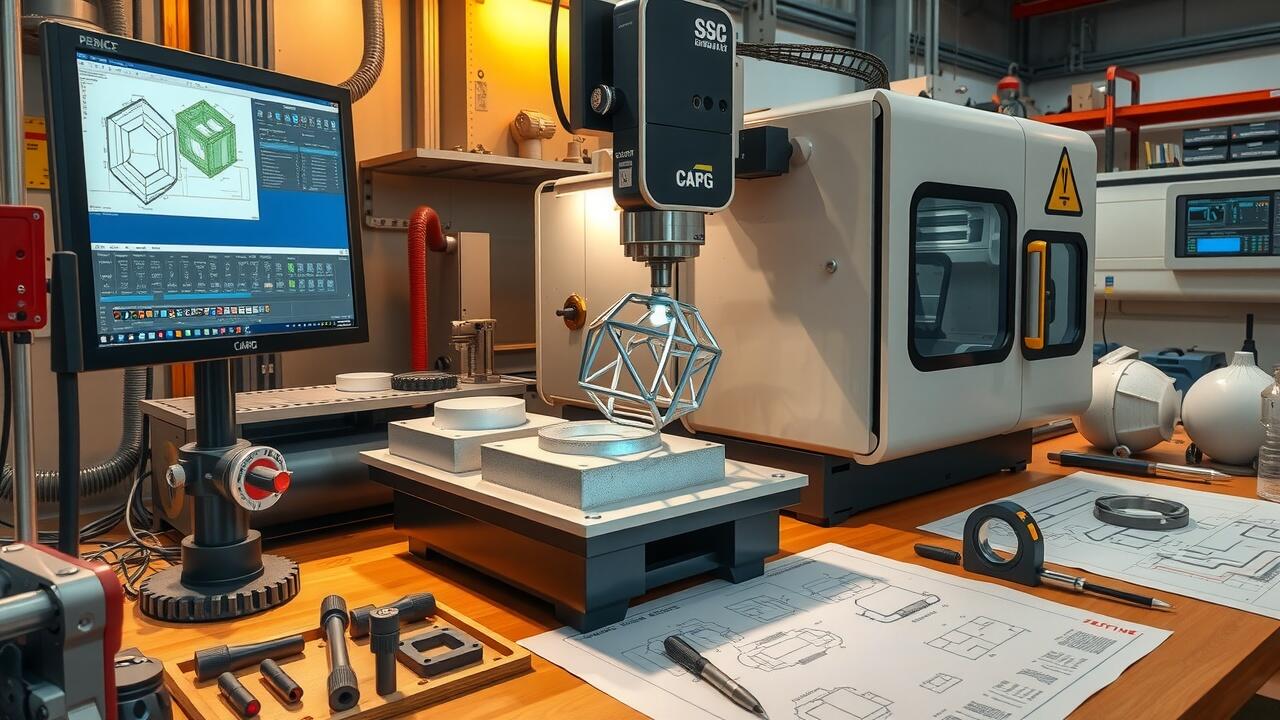
The synergy between CAD and CAM systems can lead to remarkable enhancements in die manufacturing processes. Integrating these technologies streamlines workflows, reduces errors, and optimizes toolpaths with pinpoint accuracy. For instance, a study showcased the implementation of CAD/CAM integration at a leading automotive parts manufacturer, which elevated their precision CNC machining services by 30%. The ability to create detailed 3D models and directly communicate with machining equipment allows for swift adjustments, catering to complex geometries that would otherwise pose significant challenges.
Additionally, the use of simulation tools within CAM can anticipate potential issues, ensuring smoother operations during machining. This proactive approach not only minimizes material waste but also improves overall production efficiency. A rigorous analysis of toolpath data has shown that companies utilizing integrated systems can reduce cycle times by 25% while improving surface finishes. Adopting these combined systems positions manufacturers to stay competitive in a market increasingly defined by precision machining services and rapid response times.
What Are the Benefits of Combining CAD and CAM in Toolpath Optimization?
The synergy created by merging CAD and CAM consistently leads to enhanced efficiency in toolpath optimization. This integration allows for real-time design modifications that respond directly to machining capabilities. For example, a manufacturer implementing this combined system can automate the translation of CAD models into CAM processes, thereby reducing programming time by up to 30%. This level of coordination gives engineers and machinists a clear view of their operations and helps streamline workflows.
By leveraging precision CNC machining services, companies can achieve a higher level of production accuracy while significantly minimizing errors. The feedback loop between design intent and machining execution offers invaluable data for continuous improvement. Specifically, utilizing real-time simulations within CAD/CAM can reduce material waste by over 25%, ensuring that each cutting tool is employed to its fullest potential. Organizations that embrace this integration not only enhance their productivity but also increase their competitive edge in the fast-paced manufacturing landscape.
3 Case Studies of Successful Toolpath Optimization
A leading aerospace manufacturer faced significant challenges in toolpath optimization for complex geometries. By integrating advanced precision CNC machining services, they achieved a remarkable 20% reduction in machining time while maintaining rigorous tolerance standards. This optimization strategy involved employing adaptive toolpaths and advanced simulation techniques, allowing for real-time adjustments during the machining process. The project not only boosted productivity but also increased part accuracy, leading to a noticeable decline in scrap rate.
Another exciting case emerged within the automotive sector, where a firm specializing in precision machining services tackled intricate die components. By adopting a hybrid approach combining CAM software enhancements with high-speed machining techniques, they minimized unproductive tool movements. These adjustments resulted in a 30% improvement in overall efficiency and shorter lead times, crucial for meeting tight production schedules. The success encouraged the company to implement similar strategies across various projects, showcasing the broad applicability of innovative toolpath optimization across different industries.
How Did Companies Overcome Toolpath Challenges?
Achieving efficiency in toolpath creation often requires innovative approaches. A notable example comes from a mid-sized manufacturer that integrated precision CNC machining services to tackle intricate die designs. They restructured their workflow by adopting simulation software, allowing engineers to visualize and optimize paths before production. As a result, they reduced machining time by 20%, through improved cutter selection and avoidance of potential collisions, illustrating the tangible benefits of leveraging advanced technology.
Another company faced challenges with high material waste during the machining process. They adopted a hybrid strategy, blending traditional machining with 3D printing to create complex geometries. By generating precise prototypes, they fine-tuned their toolpath strategies, achieving a 30% decrease in scrap compared to previous methods. Their experience highlights the significance of continual assessment for molding and die-making processes, aligning cutting tool choices with real-time performance data to ensure the most effective application of precision machining services.
Selecting the Right Tools for Complex Geometries
When selecting cutting tools for complex geometries, precision plays a pivotal role in ensuring optimal performance and accuracy. The right tools not only enhance machining efficiency but also significantly influence the overall quality of the final product. For instance, using carbide end mills specifically designed for intricate shapes can result in a smoother finish and reduced cycle times. By leveraging precision CNC machining services, manufacturers can achieve tighter tolerances and intricate features that would otherwise be impossible with standard tooling.
Another crucial factor is the compatibility of the cutting tools with the machinery in use. For example, high-speed steel (HSS) tools might be preferred for softer materials, while cobalt or carbide tools excel when faced with harder substrates. Emphasizing tool longevity and the reduction of wear can lead to decreased downtime and increased productivity. Companies that integrate specialized precision machining services often report increases in yield rates by upwards of 20%, showcasing the tangible benefits of selecting the right tools for the job. Prioritizing these elements empowers manufacturers to truly harness the potential of cutting-edge technology in die manufacturing.
What Should You Consider When Choosing Cutting Tools?
Choosing cutting tools for complex geometries requires a keen understanding of the materials involved and the desired outcomes. Tool material plays a critical role; for instance, carbide tools are often favored for their hardness and wear resistance, making them ideal for machining difficult-to-cut materials. Moreover, when selecting tools, consider the machining strategy, such as roughing or finishing. For instance, using a helical end mill can improve chip removal efficiency and surface finish in a single pass, essential in precision CNC machining services.
The tool geometry, including features like rake angle, relief angle, and the number of flutes, directly affects the machining process's efficiency and effectiveness. Companies have reported up to a 30% increase in productivity by optimizing these parameters. Additionally, it's invaluable to align tool choice with the capabilities of your CNC machines. Using precision machining services tailored for specific tasks ensures that each operation runs smoothly and efficiently. Remember to also evaluate the cost-effectiveness of the cutting tools, balancing initial costs with long-term performance and longevity in your workflows.
- Assess the specific material you'll be cutting to choose the right tool material.
- Determine the necessary machining strategy based on your project requirements.
- Optimize tool geometry to enhance efficiency, adjusting parameters like rake and relief angles.
- Consider the number of flutes needed for your cutting operations to improve productivity.
- Ensure your cutting tools are compatible with the capabilities of your CNC machines.
- Factor in both the initial purchase price and the potential long-term savings of your tools.
- Research and compare various brands to find tools offering the best performance for your needs.
Measuring Success
Quantifying the effectiveness of toolpath strategies allows manufacturers to pinpoint areas of improvement and maximize production efficiency. Utilizing metrics like cycle time reduction can indicate how well optimized toolpaths perform. Some companies have reported up to a 30% decrease in machining time when they adopt advanced algorithms that rethink traditional approaches. By benchmarking against industry standards, businesses can track their progress against competitors and establish higher precision machining services as a norm.
Moreover, analyzing tool wear and surface finish quality provides vital insights into the performance of cutting tools in complex geometries. For instance, a case study involving an aerospace component manufacturer showed that implementing a feedback loop on tool performance led to a 25% increase in tool life. Establishing KPI dashboards enables manufacturers to visualize these metrics in real time, driving proactive adjustments to the machining process. This approach fosters an environment where continuous improvement becomes a tangible reality, ensuring that the precision CNC machining services offered meet and exceed customer expectations.
How Can You Quantify the Effectiveness of Your Toolpath Strategies?
Effectively quantifying toolpath optimization strategies hinges on establishing clear metrics that align with operational goals. For instance, organizations employing precision CNC machining services often track throughput time and cycle time as primary indicators of efficiency. A company that successfully reduced cycle time by 25% through improved toolpath planning demonstrated a direct correlation between optimized paths and increased productivity. Additionally, monitoring tool wear rates can reveal essential insights about material usage and lifespan. When these metrics are combined and analyzed, they offer a comprehensive picture of operational performance.
Real-world applications show how data-driven decisions can enhance outcomes. A recent case study highlighted a manufacturer that integrated advanced software for toolpath simulations, resulting in a reduction of machining waste by 15%. They also noted improved surface finish quality as a direct outcome of optimized toolpaths. These measurable successes emphasize the importance of leveraging precise data to refine machining strategies continually. By focusing on key performance metrics, professionals in precision machining services can make informed decisions that lead to sustainable improvements in production capabilities.
Conclusion
The integration of advanced toolpath optimization techniques can dramatically enhance the efficiency and precision of die manufacturing, paving the way for unprecedented productivity levels. With advancements in precision CNC machining services, manufacturers can now execute intricate geometries with exceptional fidelity. For instance, a recent case study highlighted a 30% reduction in production time while maintaining tolerances within 5 microns, showcasing the tangible benefits of optimized toolpaths.
Embracing these strategies not only minimizes waste but also maximizes resource utilization, yielding impressive returns on investment. Companies adopting a holistic approach to their CAD/CAM systems reported a 25% increase in operational efficiency within just six months. The transition to precise machining services fosters an environment where innovation thrives, enabling manufacturers to stay competitive and responsive to market demands. As industries evolve, the emphasis on sophisticated toolpath strategies becomes crucial for sustaining growth and excellence in production.